


Seit sieben Jahreszyklen begleiten wir dich mit Cacao Ritualen durch die acht Jahreskreisfeste. Nun möchten wir dir einen Gesamtüberblick über alle Feste des Jahreskreises geben, woraus sie sich ableiten, warum es so wundervoll ist, die Qualitäten der Jahreskreisfeste wahrzunehmen und zu nutzen und wie dich Ritual Cacao dabei begleiten und unterstützen kann.
Von Leni in Cacao Blog
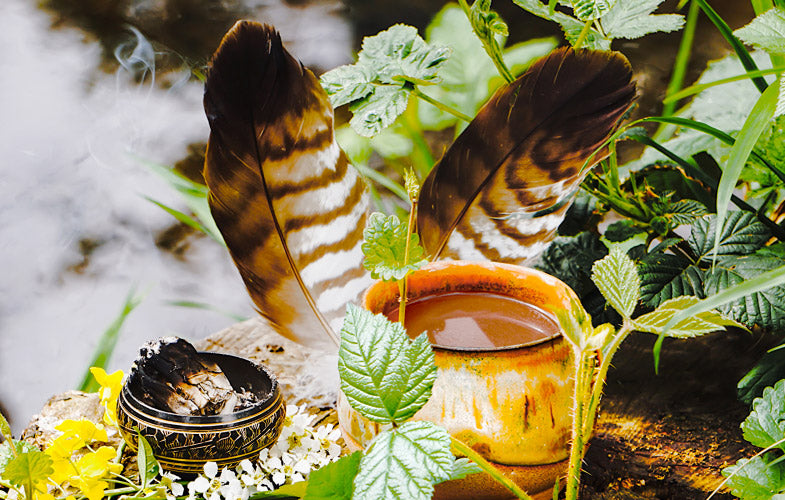
Alles ist miteinander verbunden
Schon seit Jahrtausenden zelebrieren Menschen in fast allen Kulturen Lebensübergänge und die natürlichen Zyklen von Sonne, Mond und Jahreszeiten mit Ritualen und Zeremonien. Ob die Kelten und Germanen in unseren Breiten oder die Inka und Maya in Südamerika, sie beoachteten die Stellung von Sonne, Mond und Sternen, die Erdbewegung und lebten im Einklang mit dem Kreislauf der Natur.
Anders als wir heute waren unsere Vorfahren darauf angewiesen, die natürlichen Zyklen zu erkennen und so waren auch ihre Feste vom Kreislauf des Lebens und der Jahreszeiten geprägt:
Das Erwachen des Lebens und der Knospen im Frühling, das Wachstum und die Fülle im Sommer, die Reife und Ernte im Herbst und die Ruhe und Innenkehr im Winter. So durchliefen sie jedes Jahr den Kreislauf der Natur von Geburt, Leben, Reife bis zum Tod. Alles war für sie miteinander verbunden. Die Feste gaben ihnen, wie ein Kompass, Orientierung und dienten gleichzeitig dazu, Mutter Natur (Pachamama) und den Gottheiten ihre tiefe Dankbarkeit zu zeigen.
Die Jahreskreisfeste
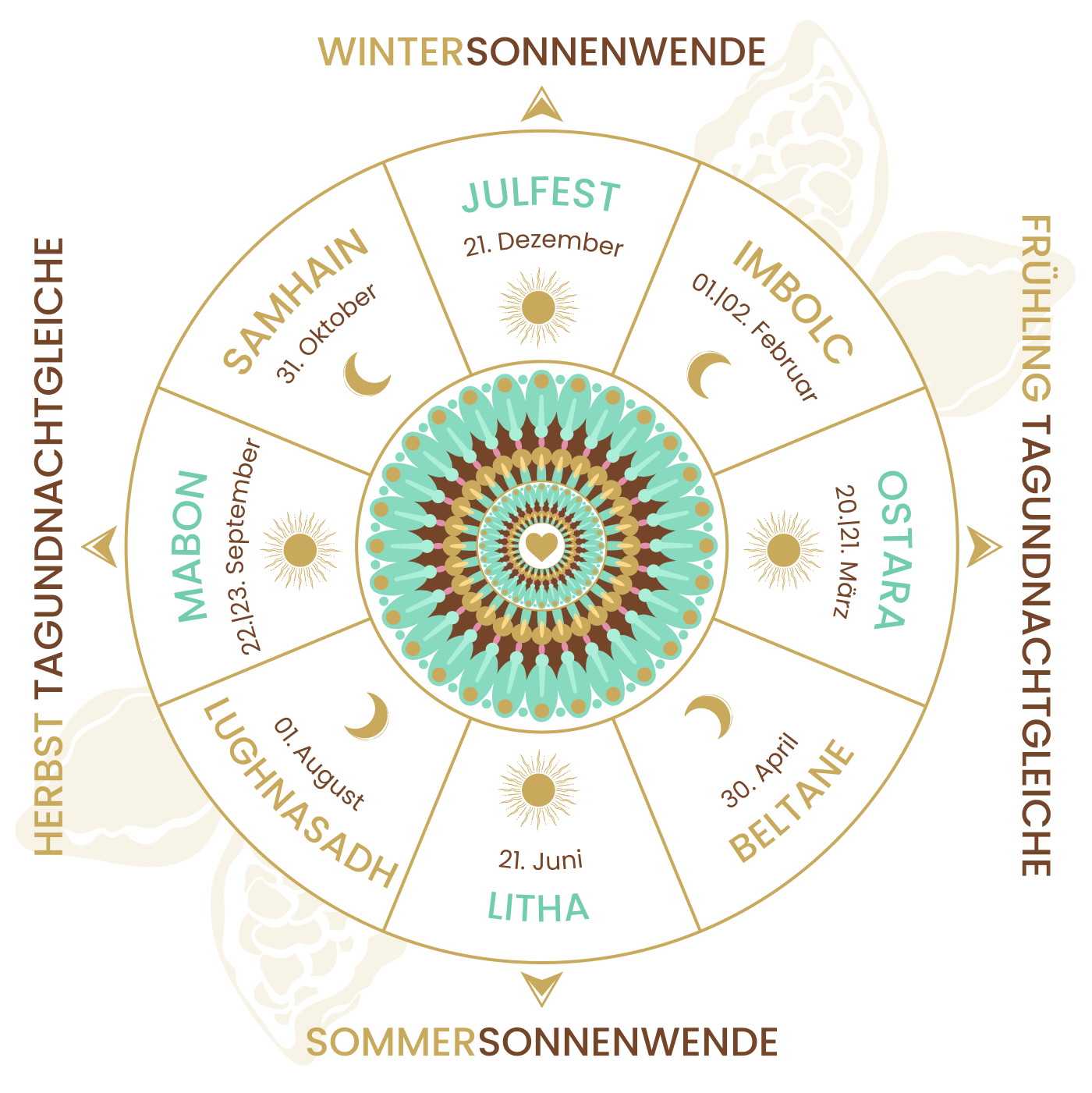
Auf der Nordhalbkugel, also bei uns hier, besteht der Jahreskreis aus acht Jahreskreisfesten, die die Speichen des Jahresrades bilden. Sie werden im Rhythmus der Jahreszeiten und ungefähr im Abstand von 6 Wochen nach dem Stand der Sonne und des Mondes gefeiert. So gibt es vier Sonnenfeste: Das Julfest zur Wintersonnenwende, Ostara zur Frühjahrs-Tagundnachtgleiche, Litha zur Sommersonnenwende und Mabon zur Herbst-Tagundnachtgeiche.
Abwechselnd zwischen den Sonnenfesten werden die 4 Mondfeste gefeiert: Samhain, Imbolc, Beltane/Walpurgisnacht und Lughnasadh/Lammas. Bei unseren Vorfahren wurden nur die Sonnenfeste an einem festen Datum gefeiert, da sie sich am Stand der Sonne orientierten. Die Mondfeste hingegen folgten dem Rhythmus des Mondes und hatten früher ein flexibles Datum. Heute werden alle Jahreskreisfeste aber meistens an einem fixen Datum gefeiert:
31. Oktober | SAMHAIN, Mondfest |
|
21. Dezember | JULFEST, Sonnenfest, Wintersonnenwende, Winteranfang |
|
1./2. Februar | IMBOLC, Mondfest |
|
20./21. März | OSTARA, Sonnenfest, Frühjahr-Tagundnachtgleiche, Frühlingsanfang |
|
30. April & 1. Mai | BELTANE & WALPURGISNACHT, Mondfest |
|
21. Juni | LITHA, Sonnenfest, Sommersonnenwende, Sommeranfang |
|
1. August | LUGHNASADH & LAMMAS, Mondfest |
|
22./23. September | MABON, Sonnenfest, Herbst-Tagundnachtgleiche, Herbstanfang |
Auch wenn wir heute in unserer Kultur keine Jahreskreisfeste mehr feiern, lassen sich einige von ihnen im christlichen Glauben und in unserer Tradition wiederfinden: Samhain und Allerheiligen und Halloween oder Julfest und Weihnachten, Imbolc und Maria Lichtmess, Ostara und Ostern, Beltane und 1. Maifest, Litha und Mittsommerfest, Mabon und Erntedankfest.
Die Sonnenfeste der Maya und Inka
Die Sonnenwenden und die Tagundnachtgleichen wurden auch auf der Südhalbkugel in Südamerika gefeiert. Für die Maya und Inka war die Sonne heilig und die Sommer- und Wintersonnenwende und die Frühjahrs- und Herbst-Tagundnachtgleiche die wichtigsten Sonnenstände. Die Inka feierten am 21. Juni zur Wintersonnenwende das Fest “Inti Raymi” zu Ehren des Sonnengottes Inti und den Beginn des neuen Jahres, da die Tage von nun an wieder länger wurden. In Ritualen erbrachten sie Opfergaben und dankten auch Pachamama so für die Ernte und baten um Schutz und eine gute Ernte für das kommende Jahr. In Machu Picchu, gelegen über dem Urubamba-Tal, fällt zur Winter- und Sommersonnenwende durch eines der beiden Fenster des Sonnentempels der erste Lichtstrahl direkt in die Mitte des Raumes. Noch heute feiern die Nachfahren der Inka um den 21. Juni das Sonnenfest “Inti Raymi” in Cusco, der ehemaligen Hauptstadt des Inka-Reiches mit einem farbenfrohen Fest.
Die Maya wiederum erbauten zu Ehren des Schlangengottes Kukulcán die Stufenpyramide in Chichén Itzá so, dass zur Frühlings- und Herbst-Tagundnachtgleiche nach und nach ein wellenförmiger Schatten auf die Treppenbrüstung der Pyramide geworfen wird, der in einem Schlangenkopf endet. Es wirkt ganz so, als ob eine riesige Schlange zur Erde hinab gleitet, um diese für die Ernte des kommenden Zyklus fruchtbar zu machen. Aber auch die Sonnenwenden scheinen bei den Maya von Bedeutung gewesen zu sein, denn dann ist für kurze Zeit genau nur eine Hälfte der Pyramide erleuchtet.
Ob die Maya oder Inka Cacao bei ihren Sonnen-Ritualen getrunken haben, wissen wir leider nicht, aber wir dürfen schon davon ausgehen, da sie die Wunderpflanze und das braune Gold als Medizin und für religiöse Zwecke nutzten.
Wir auf jeden Fall lieben es, Cacao zu Übergangszeiten und besonderen Anlässen zu trinken und genau das sind die Jahreskreisfeste für uns. Wir zelebrieren hierbei Mutter Natur und ihre vielen Facetten. Wir gehen in Dankbarkeit und Demut für all die Schätze, die sie uns schenkt.
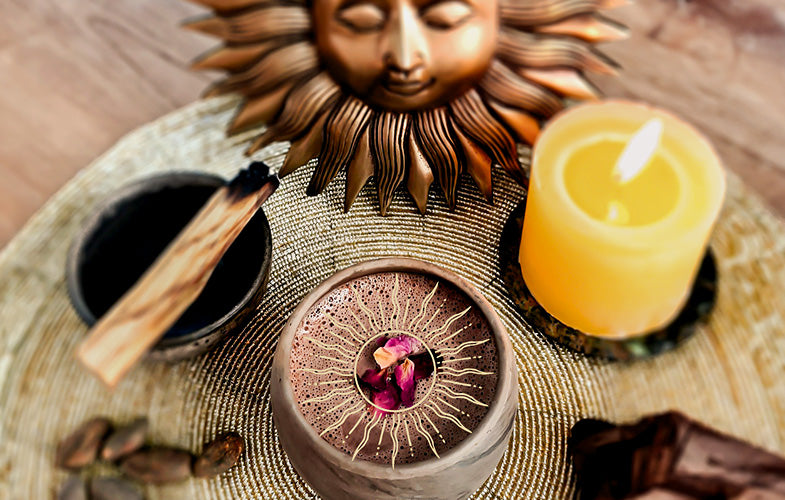
Die Magie der Jahreskreisfeste: Eine Verbindung zu Natur & Selbst
In unserer heutigen Zeit haben die ursprünglichen Sonnen- und Mondfeste als Jahreskreisfeste ihre Bedeutung leider oft verloren, dabei sind sie eine gute Chance, in Verbindung mit den jahreszeitlichen Qualitäten der Natur um uns herum und unserer eigenen Natur zu kommen.
Wir leben in einer Zeit, in der alles schnell gehen muss und durch die Technisierung haben wir uns immer weiter vom zyklischen Leben der Natur entfernt. Das könnte auch der Grund sein, warum sich viele Menschen mental und physisch nicht so gut fühlen. Wir dürfen nicht vergessen, dass wir Teil der Natur sind und umso mehr wir wieder mit ihr in Einklang kommen, umso leichter fällt uns das Leben.
Das Zelebrieren der Jahreskreisfeste gibt uns wieder die Gelegenheit, bewusst die Natur wahrzunehmen, innezuhalten, die Qualitäten jeder Jahreszeit auch in uns zu fühlen und uns unseren eigenen Bedürfnissen bewusst zu werden.
Wir können reflektieren, wo wir stehen, uns in einen größeren Zusammenhang einordnen und neue Ausrichtungen für unser Leben finden. Durch die Verbindung mit den Jahreszeiten stärken wir unsere Wurzeln und Intuition, nähren unsere Seele und erfahren Kraft, Klarheit und Verbundenheit. Jedes der acht Jahreskreisfeste hat seine eigene Magie und Energie, aus der wir Kraft schöpfen und persönliches Wachstum erfahren. Sie führen uns in Herzensverbindung mit uns selbst und der Natur.
Ritual Cacao als wundervoller Begleiter & Unterstützer während der Jahreskreisfeste
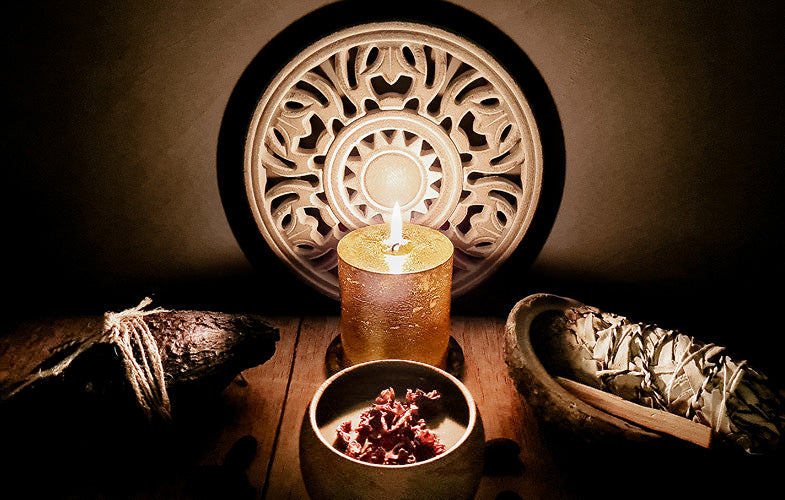
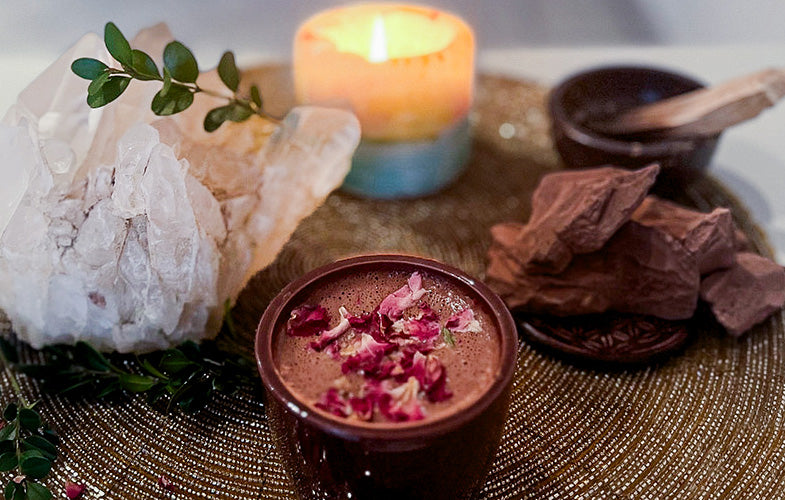
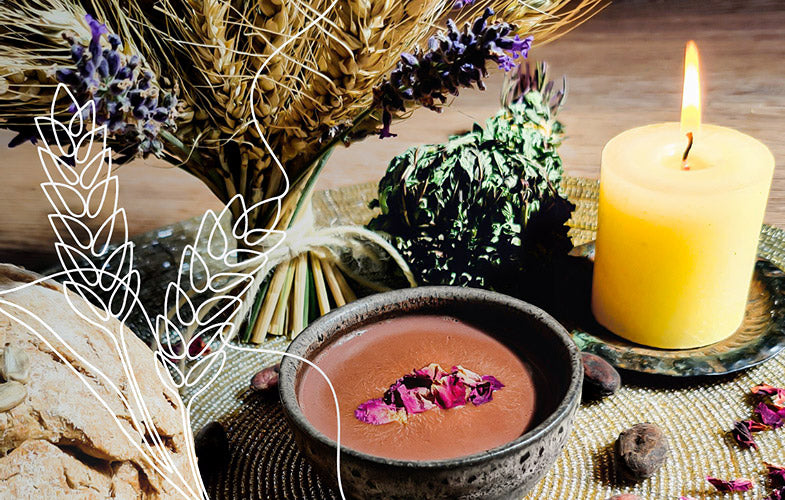
Auch Ritual Cacao ist natürlich ein Geschenk der Natur, welches uns dabei hilft, die Veränderung und die unterschiedlichen Qualitäten willkommen zu heißen und schätzen zu lernen. Wenn wir Cacao zu uns nehmen, verbinden wir uns mit der Natur, von der wir selbst ein Teil sind. Wir spüren die Verbindung zur Erde und nehmen die unterschiedlichen Zeitqualitäten noch stärker wahr. Beim Cacao Trinken verbinden wir uns mit unserem Herzen und kommen tiefer zu uns. Wenn wir in Einklang mit unserem Inneren sind, wissen wir auch das Außen viel mehr zu schätzen. Wir müssen nicht darüber nachdenken, was richtig oder falsch ist, wir fühlen es und handeln danach. In diesem Zustand fällt es uns viel einfacher, im Einklang mit der Natur zu schwingen und besser auf diese achtzugeben.
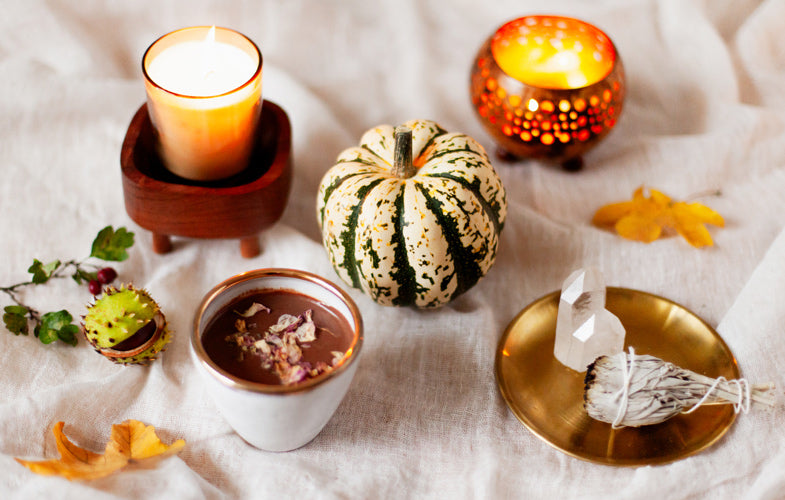
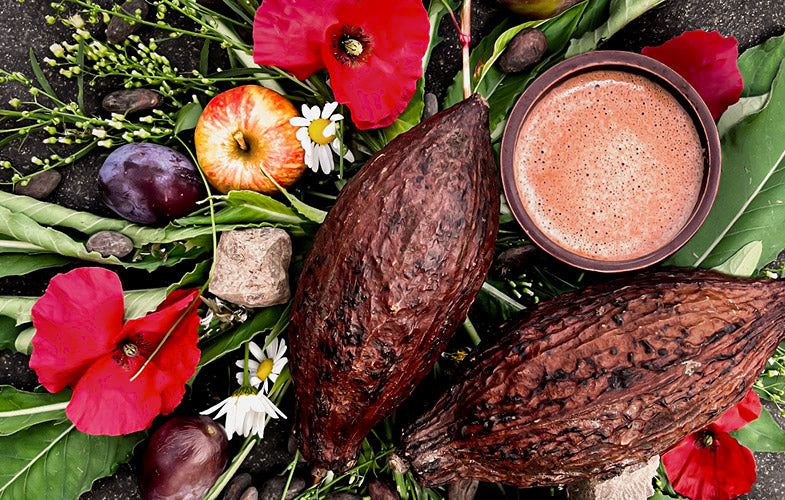
Komme in den Flow
Jedes Jahreskreisfest hat sein eigenes Thema und alle bauen aufeinander auf. So macht es auch die Natur. Alles folgt einem völlig stimmigen Rhythmus und das eine geht nicht ohne das andere.
Fühle dich herzlich eingeladen, mit unseren Cacao Ritualen die Jahreskreisfeste zu zelebrieren und zusammen mit den Rauhnächten in einen Flow zu kommen, der dich durch das Jahr trägt.

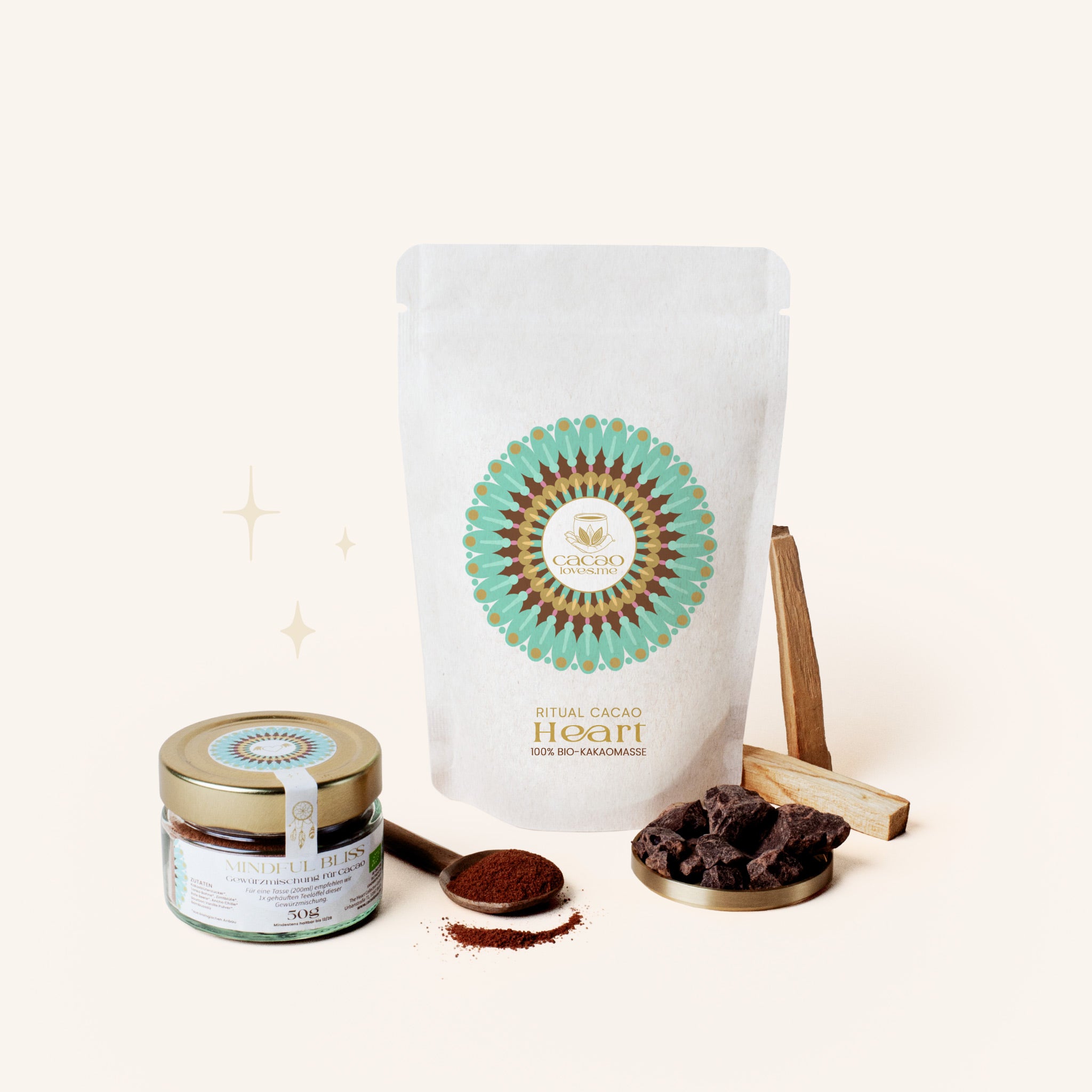
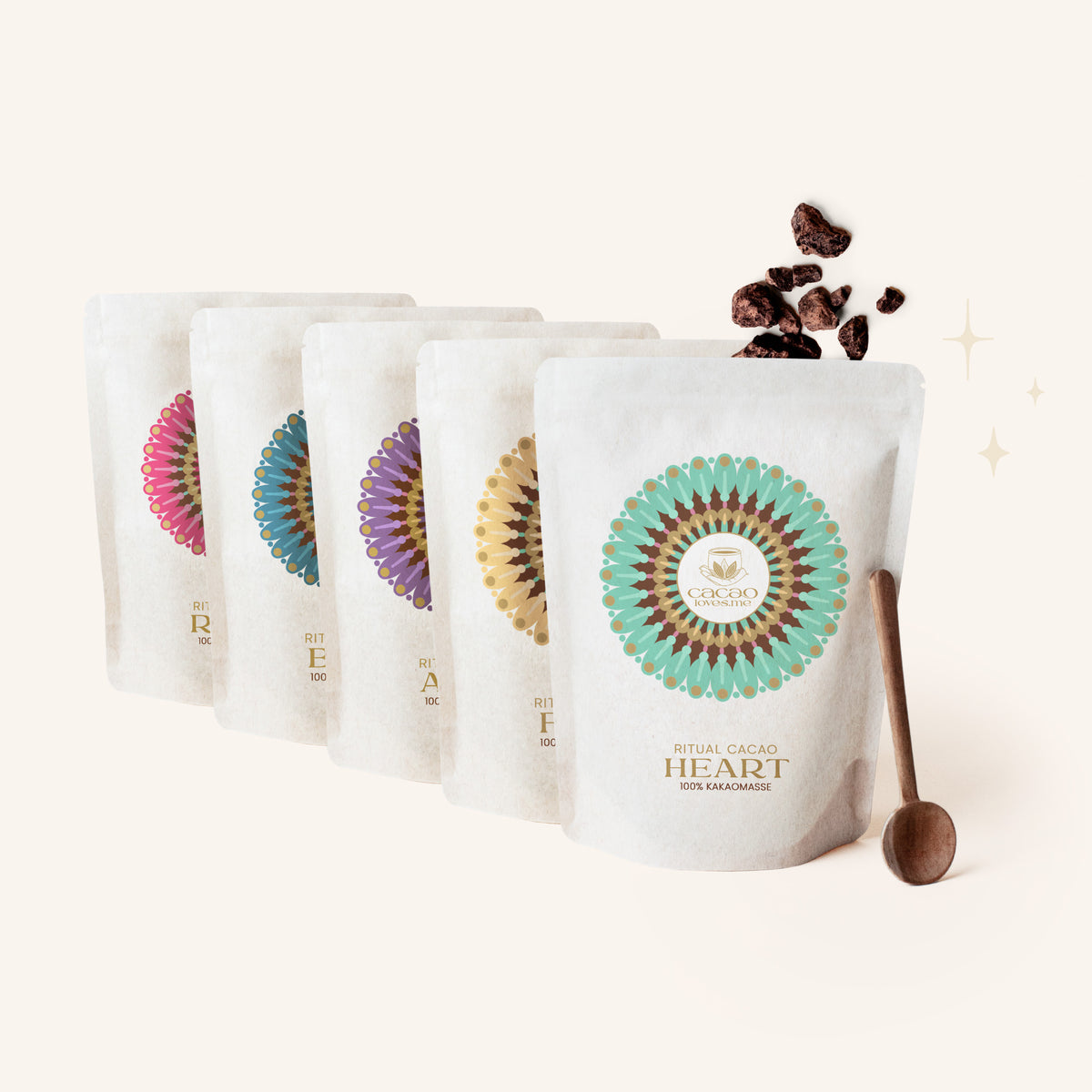
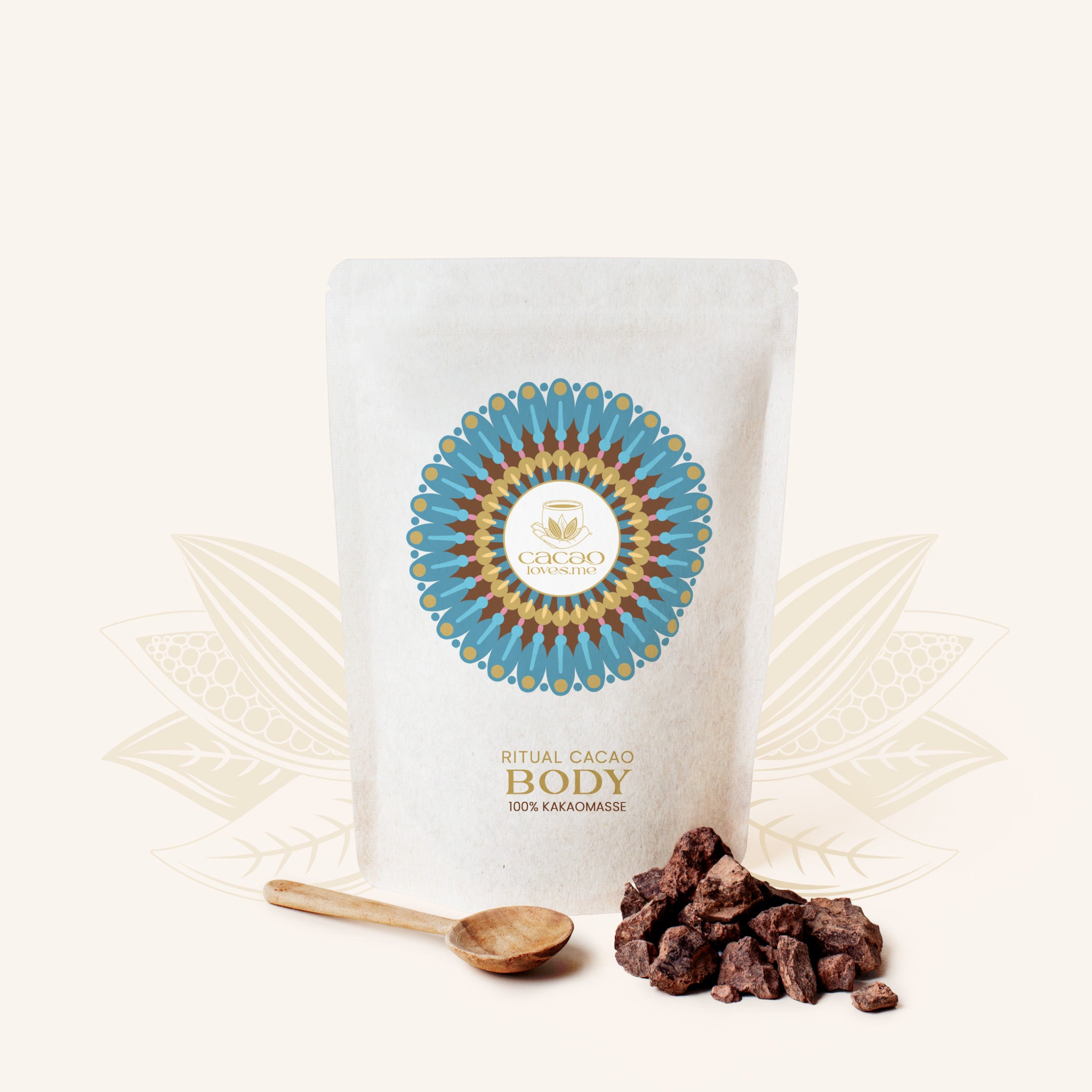
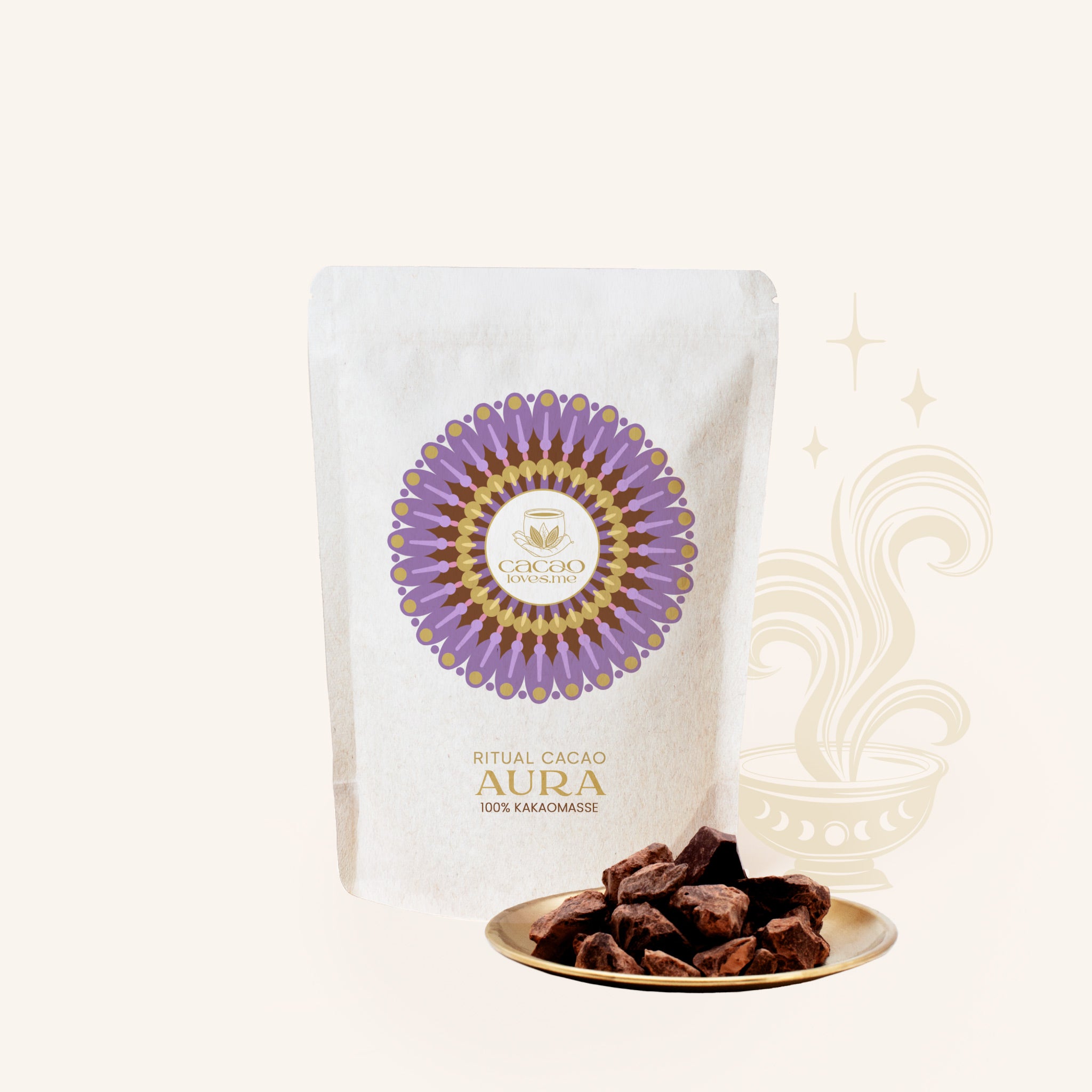
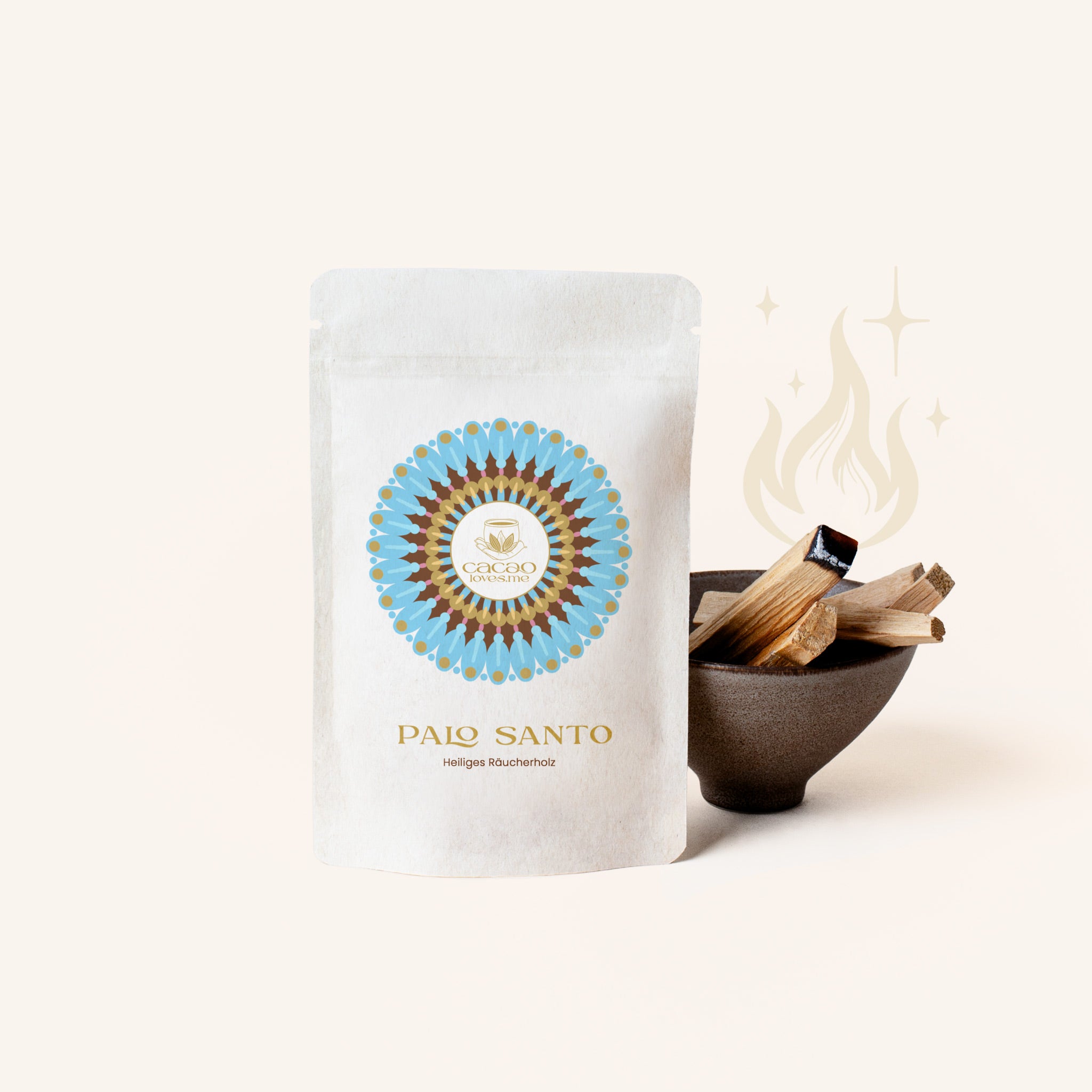
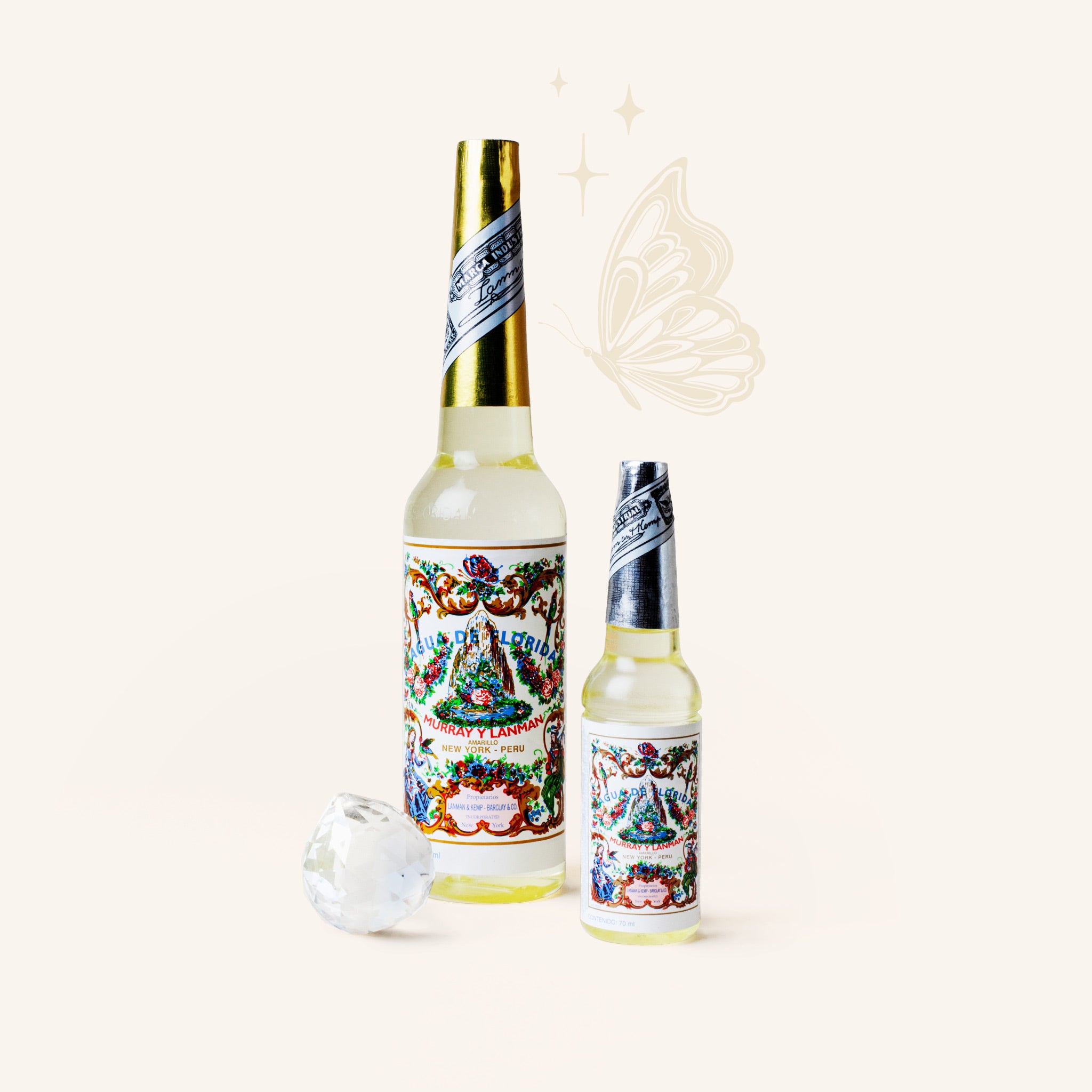
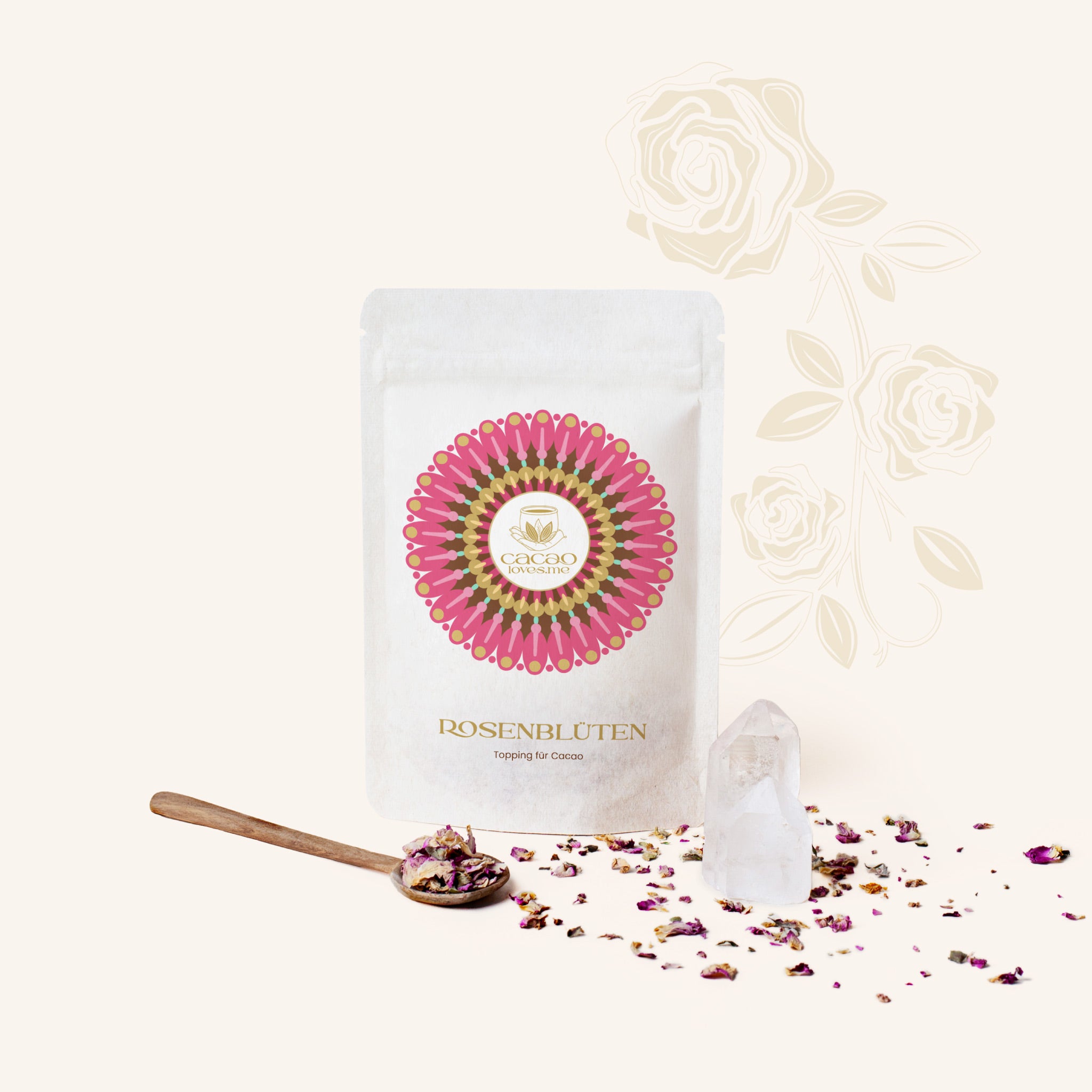
Für deine Jahreskreisfest-Zeremonien haben wir eine wunderbare Kollektion zusammengestellt.
You Might Also Like
Cacao and yoga are a powerful combination for heart opening and presence. How you can integrate Ritual Cacao into your yoga practice, you'll discover in this blog post.
The Winter Solstice marks the return of the light and invites us to pause. For centuries, Yule has been celebrated to honour this magical turning point. Accompanied by a powerful Cacao Ritua...
